Burnaby, British Columbia – December 22, 2025 – PRESSADVANTAGE –
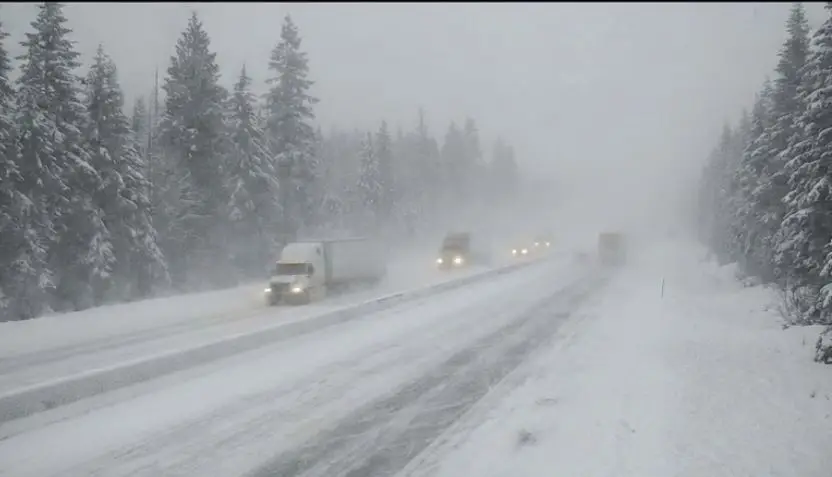
Crompton Brothers Automotive is sharing winter driving safety guidance as drivers prepare for travel on mountain highways across North America, including British Columbia’s Coquihalla Highway (Highway 5), one of the region’s most challenging winter routes.Winter driving presents challenges across North America, but mountain highways pose unique risks that require additional preparation. One of the most notable examples is British Columbia’s Coquihalla Highway (Highway 5), a major transportation corridor connecting coastal and interior regions. With high elevations, steep grades, and rapidly changing weather, the Coquihalla highlights the importance of winter readiness for drivers travelling through mountainous terrain.
Mountain highways such as the Coquihalla are especially vulnerable to sudden weather changes during the winter months. Conditions can shift quickly from clear pavement to snow-covered or icy roads, often accompanied by reduced visibility caused by fog or blowing snow. These factors make winter travel more demanding than typical urban or low-elevation driving and underscore the need for careful planning and increased caution. According to automotive professionals at Crompton Brothers Automotive, which has served drivers in British Columbia for more than four decades, preparation is one of the most important factors in reducing winter-related incidents on mountain highways.
In British Columbia, winter tires or chains are required on most designated mountain highways from October 1 through April 30. Legal winter tires must display either the M+S or three-peak mountain snowflake symbol and meet minimum tread depth requirements. While M+S tires meet minimum legal standards, provincial transportation guidance indicates that three-peak mountain snowflake tires generally provide improved traction and control in winter mountain driving conditions. Similar winter tire recommendations apply across many mountainous regions in both Canada and the United States.
Transportation authorities also emphasize the importance of monitoring road and weather conditions before travelling through mountain passes. In British Columbia, the Ministry of Transportation and Infrastructure provides real-time highway conditions, weather forecasts, and incident updates through DriveBC, the province’s official highway information service. Live webcams, along with weather forecasts and incident reports, can provide valuable context when conditions are changing rapidly at higher elevations. Comparable state and provincial transportation agencies across North America offer similar tools to help drivers make informed travel decisions.
Beyond tire compliance and trip planning, vehicle condition plays a critical role in winter highway safety. Cold temperatures, elevation changes, and sustained highway driving place additional stress on vehicles, particularly in mountainous environments. Drivers are encouraged to ensure headlights, brake lights, and signal lights are functioning properly, windshield wipers are in good condition, and washer fluid is rated for freezing temperatures. Heating and defrost systems should be operating effectively to maintain visibility, while battery health, fluid levels, and tire pressure should be checked regularly throughout the winter season.
Automotive professionals caution that even minor maintenance issues can escalate quickly in winter mountain conditions. A weak battery, worn tires, or mechanical concerns that may seem manageable in urban settings can lead to breakdowns when exposed to cold weather, steep grades, and extended travel distances. This is especially true on routes with limited services, where assistance may be delayed during winter storms or peak travel periods.
“Winter driving on mountain highways isn’t just about experience behind the wheel, it’s about preparation,” said a spokesperson for Crompton Brothers Automotive, a Canadian automotive service provider with decades of experience supporting year-round vehicle safety. “Mountain weather can change very quickly, and a vehicle that hasn’t been properly prepared can become a safety risk. A short inspection before travelling can help identify potential issues early and significantly reduce the likelihood of winter-related breakdowns.”
Drivers are also advised to adjust their driving behaviour to winter conditions by increasing following distances, avoiding sudden braking or aggressive manoeuvres, and allowing additional travel time. When weather conditions deteriorate, transportation authorities recommend delaying travel when possible or exiting mountain highways at designated locations until conditions improve.
As winter travel increases during holiday periods and peak recreation seasons, transportation agencies and automotive professionals continue to emphasize preparation, vehicle readiness, and informed decision-making. By encouraging drivers to understand winter requirements, monitor official road conditions, and ensure their vehicles are properly maintained, the shared objective remains reducing preventable incidents and improving safety for everyone travelling on mountain highways during winter conditions.
###
For more information about Crompton Brothers Automotive, contact the company here:
Crompton Brothers Automotive
Riaz Noorani
: (604) 540-0304
info@cromptonbrothers
7797 Edmonds St, Burnaby, BC V3N 1B8